
If your website isn’t bringing in the leads and calls you expected, the problem might be hiding in plain sight. A SEO audit reveals exactly where you’re losing potential customers and shows you how to fix it. At Digital Perfection, we’ve helped hundreds of businesses figure out why their websites aren’t converting. Most make the same mistakes: they focus on minor issues while missing huge opportunities right in front of them. A proper B2B SEO audit tends to prioritizes the fixes that will actually grow your business. In this blog, we are going to walk you through every step that happens in an B2B seo strategy. By the end, you’ll realize that running an effective SEO for B2B website means focusing on strategies that drive qualified leads, not just traffic.
All business owners, irrespective of their industries, need to understand that generic audits create endless to-do lists with no clear direction. You end up overwhelmed, not knowing what to fix first. Therefore, a smart and well planned B2B SEO strategy works differently. It focuses on changes that directly impact your bottom line: more demo requests, more qualified calls, more customers. When we conduct a B2B SEO audit, we tie every recommendation to revenue. That’s what matters to your business.
Before touching any tools, answer these questions:
These questions shape your entire audit. They help you focus on what matters and ensure someone actually implements your findings.
Pro Tip: The best audits connect SEO improvements to business outcomes. We don’t just say “fix this meta description.” Our team knows that “fixing this page could increase demo requests by 15%.”
The Metrics We Track for B2B Success
You have to understand that not all website visitors are equal. Someone searching “what is project management” is very different from someone comparing your product to competitors. We track metrics that reflect real business value, not vanity numbers. When we run our B2B SEO marketing campaigns, we measure demo requests from organic search, free trial signups, qualified leads generated, revenue from organic visitors, and win rates from SEO leads. We use a simple framework: Revenue from SEO equals Visitors multiplied by Demo Conversion Rate multiplied by Sales Conversion Rate multiplied by Average Deal Size. This keeps everyone focused on growth.
What happens when search engines can’t find your most important pages? You lose customers before they even know you exist. This is where our B2B search engine optimization expertise makes the biggest difference in the shortest time. Your money pages should never be more than three clicks from your homepage. If they are, we fix that immediately. We also look for server errors because a 500 error on your highest-converting landing page costs you more than fifty broken blog posts. We find and fix broken links, redirect chains, duplicate content issues, missing sitemaps, and pages that are accidentally blocked from search engines.
One critical problem we see often is index bloat. This happens when tag archives, URL parameters, or filtered navigation pages waste your crawl budget. When it’s wasted on unimportant pages, your important pages get ignored. We fix this to keep search engines focused on pages that make you money.
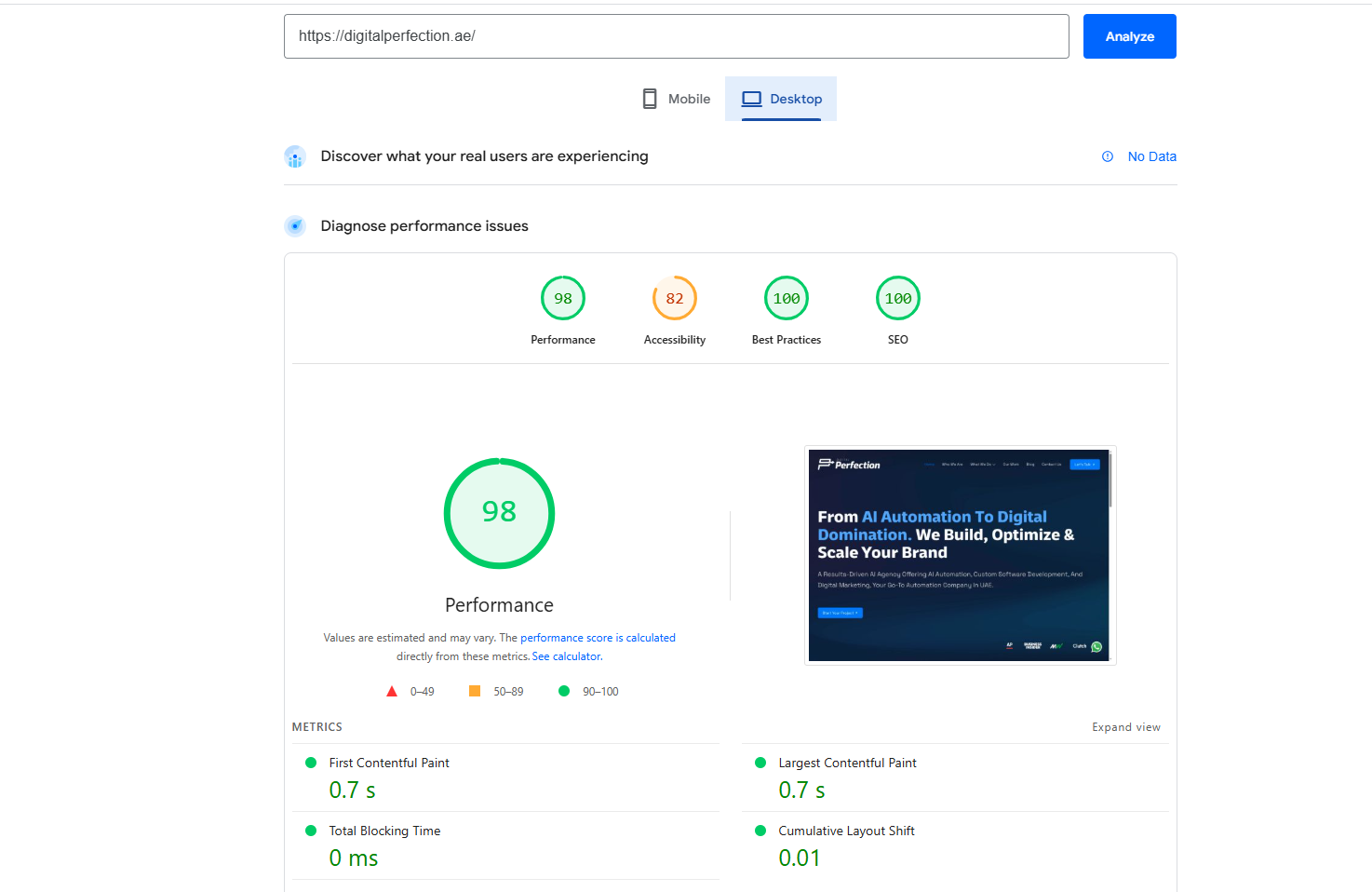
How fast does your website load? If you don’t know, you’re probably losing customers. Moreover, slow pages lose visitors before they even see your content. We focus on the pages that drive revenue first because that’s where speed improvements have the biggest business impact. Our team targets specific benchmarks: Interaction to Next Paint under 200 milliseconds, Largest Contentful Paint under 2.5 seconds, and Cumulative Layout Shift under 0.1. These might sound technical, but they simply mean your pages load fast and don’t jump around while loading. Our team also makes pages faster by shrinking images, delaying unimportant code, loading important parts first, and fixing problems that make pages jump while loading. These are part of our top rated SEO platform for B2B strategies that we use with every client.
Many modern websites load content using JavaScript. This tends to create serious problems for search engines and newer AI search tools. If your essential content like titles, descriptions, and navigation requires JavaScript to display, search engines might miss it entirely. We test this by viewing the initial page source. If critical content isn’t there immediately, we have a problem to fix. This is especially important now because AI search engines often can’t run JavaScript at all, which means your dynamically loaded content won’t be indexed or cited by AI platforms. Our best seo platform for B2B approach makes sure that your content is visible to both traditional and AI-powered search engines.
This is where most B2B SEO marketing efforts go wrong. Companies optimize for keywords that don’t bring in customers.
B2B buyers go through distinct research stages. Our team specializes in SEO B2B approaches that connect technical improvements to measurable business outcomes. Your content should match each stage:
We tend to use Google Search Console to see which keywords already bring traffic. Then use the top rated SEO platform for b2b tools like Ahrefs or SEMrush to find opportunities you’re missing. By using the top SEO platform for B2B, you can track keyword performance, fix technical issues, and stay ahead of competitors. Our content team matches your content type to search intent.
Links remain one of the strongest ranking factors in 2025. However, most companies focus too much on external links and ignore their internal structure. This is backwards because you control your internal links completely. We use internal linking to guide visitors from blog posts to product pages, pass authority from high-traffic pages to conversion pages, and create clear topic clusters showing your expertise. When we optimize internal links, we ask a simple question: what would your ideal customer want to read next? Then we connect educational content to solution pages naturally without forcing irrelevant connections. This approach, which is central to our best platform for SEO b2b methodology, passes authority where it matters most.
What makes some websites rank higher than others with similar content? Often it’s their backlink profile. Quality matters far more than quantity when it comes to external links. One link from an industry-relevant website beats ten from random blogs. We track your link growth each month and aim for a steady rise. Big jumps can cause search engine problems, and very slow growth can hurt rankings. A natural link profile usually has about seventy to eighty-five percent follow links, and the rest are no-follow. Our team regularly analyze where your competitors are gaining new backlinks to identify opportunities you’re missing. At the end of the day, backlinks are a signal of visibility and you want to be visible in the same places as your competitors. A second link from the same website is less valuable than a first link from a new domain, so we focus on diversity.
Schema markup tends to help search engines understand your content structure. It’s becoming essential as AI-powered search grows and changes how people find information online. When we add schema markup, we use FAQPage for common questions and HowTo for step-by-step guides. Moreover, we also use Article for blogs, Organization for company info, and Product for your items. Therefore, our schema stratgeies help AI assistants trust your content as a reliable source. As AI search becomes more prevalent, having proper structured data means your business gets mentioned when AI tools answer questions in your industry. This is a critical part of modern b2b SEO strategy that many companies overlook. Everything we implement is honest and accurate.
Step 1 – Preparation: Get access to Google Search Console, Google Analytics, and your CRM. Define your revenue goals.
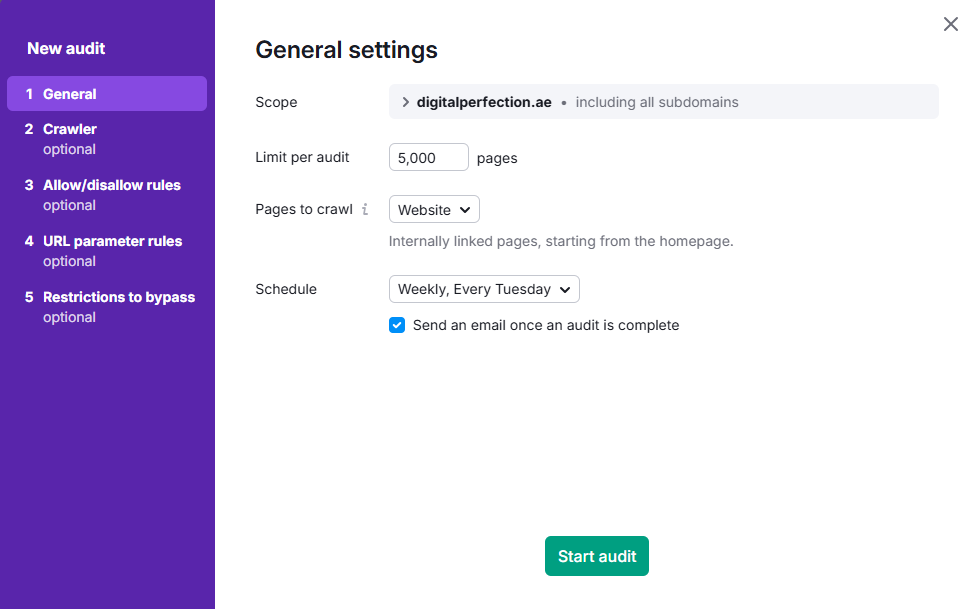
Step 2 – Technical Crawl: Find and fix server errors, broken links, duplicate content, and indexing issues.
Step 3 – Performance: We find and fix server errors, broken links, duplicate content, and indexing issues.
Step 4 – Keyword Analysis: We test Core Web Vitals on your most important pages and fix the top three issues first.
Step 5 – Content Quality: Our team reviews which keywords bring traffic. We find gaps where you are missing valuable searches.
Step 6 – Link Structure: We build internal links from popular content to conversion pages and identify competitor link opportunities.
Step 7 – Prioritize and Execute: Rank every issue by business impact. Create a 90-day plan with clear owners.
Not all SEO problems are equally important. We group every issue we find into clear categories based on impact and effort required. High impact, quick win issues get fixed first in the first thirty to forty-five days. They build momentum and show value fast. An example would be fixing 404 errors on pages with valuable backlinks pointing to them. These are easy to fix and immediately improve your site’s performance. Low impact, quick win tasks are perfect for automation and batch processing. These are important for completeness but won’t move the needle on revenue immediately. This prioritization framework is where our b2b SEO consulting expertise really shows its value. We help you focus limited resources on changes that drive measurable results instead of getting distracted by low-impact busy work.
How do you know if SEO improvements are actually working? We use Google Search Console to mark when we make changes. This shows clear before-and-after results. Every week, we spend 15–20 minutes in team meetings to check SEO progress and fix any problems. When you need additional support to maintain momentum on importantl implementations, our b2b SEO agency team gets the technical work done, while you focus on running your business. We become an extension of your team.
A good B2B SEO audit shows where you are losing customers and how to fix it. We focus on changes that bring results: more demos, more leads, and more sales. The difference is simple: generic audits just keep you busy, while effective audits help your business grow. We offer a free audit to show you exactly what’s holding your website back. Our team works with the best best SEO platform for b2b strategies that link technical fixes to real business results. We have helped businesses in real estate, healthcare, fashion, travel, education, retail, fintech, and automotive get noticed online and attract more quality leads. Are you ready to see what your website could be doing for your business? You can contact us today for your complimentary b2b SEO audit and discover the opportunities you’re missing right now.
If your website isn’t bringing in the leads and calls you expected, the problem might be hiding in plain sight. A SEO audit reveals exactly where you’re losing potential customers and shows you how to fix it. At Digital Perfection, we’ve helped hundreds of businesses figure out why their websites aren’t converting. Most make the same mistakes: they focus on minor issues while missing huge opportunities right in front of them. A proper B2B SEO audit tends to prioritizes the fixes that will actually grow your business. In this blog, we are going to walk you through every step that happens in an B2B seo strategy. By the end, you’ll realize that running an effective SEO for B2B website means focusing on strategies that drive qualified leads, not just traffic.
All business owners, irrespective of their industries, need to understand that generic audits create endless to-do lists with no clear direction. You end up overwhelmed, not knowing what to fix first. Therefore, a smart and well planned B2B SEO strategy works differently. It focuses on changes that directly impact your bottom line: more demo requests, more qualified calls, more customers. When we conduct a B2B SEO audit, we tie every recommendation to revenue. That’s what matters to your business.
Before touching any tools, answer these questions:
These questions shape your entire audit. They help you focus on what matters and ensure someone actually implements your findings.
Pro Tip: The best audits connect SEO improvements to business outcomes. We don’t just say “fix this meta description.” Our team knows that “fixing this page could increase demo requests by 15%.”
The Metrics We Track for B2B Success
You have to understand that not all website visitors are equal. Someone searching “what is project management” is very different from someone comparing your product to competitors. We track metrics that reflect real business value, not vanity numbers. When we run our B2B SEO marketing campaigns, we measure demo requests from organic search, free trial signups, qualified leads generated, revenue from organic visitors, and win rates from SEO leads. We use a simple framework: Revenue from SEO equals Visitors multiplied by Demo Conversion Rate multiplied by Sales Conversion Rate multiplied by Average Deal Size. This keeps everyone focused on growth.
What happens when search engines can’t find your most important pages? You lose customers before they even know you exist. This is where our B2B search engine optimization expertise makes the biggest difference in the shortest time. Your money pages should never be more than three clicks from your homepage. If they are, we fix that immediately. We also look for server errors because a 500 error on your highest-converting landing page costs you more than fifty broken blog posts. We find and fix broken links, redirect chains, duplicate content issues, missing sitemaps, and pages that are accidentally blocked from search engines.
One critical problem we see often is index bloat. This happens when tag archives, URL parameters, or filtered navigation pages waste your crawl budget. When it’s wasted on unimportant pages, your important pages get ignored. We fix this to keep search engines focused on pages that make you money.
How fast does your website load? If you don’t know, you’re probably losing customers. Moreover, slow pages lose visitors before they even see your content. We focus on the pages that drive revenue first because that’s where speed improvements have the biggest business impact. Our team targets specific benchmarks: Interaction to Next Paint under 200 milliseconds, Largest Contentful Paint under 2.5 seconds, and Cumulative Layout Shift under 0.1. These might sound technical, but they simply mean your pages load fast and don’t jump around while loading. Our team also makes pages faster by shrinking images, delaying unimportant code, loading important parts first, and fixing problems that make pages jump while loading. These are part of our top rated SEO platform for B2B strategies that we use with every client.
Many modern websites load content using JavaScript. This tends to create serious problems for search engines and newer AI search tools. If your essential content like titles, descriptions, and navigation requires JavaScript to display, search engines might miss it entirely. We test this by viewing the initial page source. If critical content isn’t there immediately, we have a problem to fix. This is especially important now because AI search engines often can’t run JavaScript at all, which means your dynamically loaded content won’t be indexed or cited by AI platforms. Our best seo platform for B2B approach makes sure that your content is visible to both traditional and AI-powered search engines.
This is where most B2B SEO marketing efforts go wrong. Companies optimize for keywords that don’t bring in customers.
B2B buyers go through distinct research stages. Our team specializes in SEO B2B approaches that connect technical improvements to measurable business outcomes. Your content should match each stage:
We tend to use Google Search Console to see which keywords already bring traffic. Then use the top rated SEO platform for b2b tools like Ahrefs or SEMrush to find opportunities you’re missing. By using the top SEO platform for B2B, you can track keyword performance, fix technical issues, and stay ahead of competitors. Our content team matches your content type to search intent.
Links remain one of the strongest ranking factors in 2025. However, most companies focus too much on external links and ignore their internal structure. This is backwards because you control your internal links completely. We use internal linking to guide visitors from blog posts to product pages, pass authority from high-traffic pages to conversion pages, and create clear topic clusters showing your expertise. When we optimize internal links, we ask a simple question: what would your ideal customer want to read next? Then we connect educational content to solution pages naturally without forcing irrelevant connections. This approach, which is central to our best platform for SEO b2b methodology, passes authority where it matters most.
What makes some websites rank higher than others with similar content? Often it’s their backlink profile. Quality matters far more than quantity when it comes to external links. One link from an industry-relevant website beats ten from random blogs. We track your link growth each month and aim for a steady rise. Big jumps can cause search engine problems, and very slow growth can hurt rankings. A natural link profile usually has about seventy to eighty-five percent follow links, and the rest are no-follow. Our team regularly analyze where your competitors are gaining new backlinks to identify opportunities you’re missing. At the end of the day, backlinks are a signal of visibility and you want to be visible in the same places as your competitors. A second link from the same website is less valuable than a first link from a new domain, so we focus on diversity.
Schema markup tends to help search engines understand your content structure. It’s becoming essential as AI-powered search grows and changes how people find information online. When we add schema markup, we use FAQPage for common questions and HowTo for step-by-step guides. Moreover, we also use Article for blogs, Organization for company info, and Product for your items. Therefore, our schema stratgeies help AI assistants trust your content as a reliable source. As AI search becomes more prevalent, having proper structured data means your business gets mentioned when AI tools answer questions in your industry. This is a critical part of modern b2b SEO strategy that many companies overlook. Everything we implement is honest and accurate.
Step 1 – Preparation: Get access to Google Search Console, Google Analytics, and your CRM. Define your revenue goals.
Step 2 – Technical Crawl: Find and fix server errors, broken links, duplicate content, and indexing issues.
Step 3 – Performance: We find and fix server errors, broken links, duplicate content, and indexing issues.
Step 4 – Keyword Analysis: We test Core Web Vitals on your most important pages and fix the top three issues first.
Step 5 – Content Quality: Our team reviews which keywords bring traffic. We find gaps where you are missing valuable searches.
Step 6 – Link Structure: We build internal links from popular content to conversion pages and identify competitor link opportunities.
Step 7 – Prioritize and Execute: Rank every issue by business impact. Create a 90-day plan with clear owners.
Not all SEO problems are equally important. We group every issue we find into clear categories based on impact and effort required. High impact, quick win issues get fixed first in the first thirty to forty-five days. They build momentum and show value fast. An example would be fixing 404 errors on pages with valuable backlinks pointing to them. These are easy to fix and immediately improve your site’s performance. Low impact, quick win tasks are perfect for automation and batch processing. These are important for completeness but won’t move the needle on revenue immediately. This prioritization framework is where our b2b SEO consulting expertise really shows its value. We help you focus limited resources on changes that drive measurable results instead of getting distracted by low-impact busy work.
How do you know if SEO improvements are actually working? We use Google Search Console to mark when we make changes. This shows clear before-and-after results. Every week, we spend 15–20 minutes in team meetings to check SEO progress and fix any problems. When you need additional support to maintain momentum on importantl implementations, our b2b SEO agency team gets the technical work done, while you focus on running your business. We become an extension of your team.
A good B2B SEO audit shows where you are losing customers and how to fix it. We focus on changes that bring results: more demos, more leads, and more sales. The difference is simple: generic audits just keep you busy, while effective audits help your business grow. We offer a free audit to show you exactly what’s holding your website back. Our team works with the best best SEO platform for b2b strategies that link technical fixes to real business results. We have helped businesses in real estate, healthcare, fashion, travel, education, retail, fintech, and automotive get noticed online and attract more quality leads. Are you ready to see what your website could be doing for your business? You can contact us today for your complimentary b2b SEO audit and discover the opportunities you’re missing right now.


